

Understanding the psychology of risk in gambling decisions
The Nature of Risk in Gambling
Gambling inherently involves taking risks, where participants wager money or valuables on uncertain outcomes. This uncertainty is what makes gambling thrilling for many, but it also leads to complex psychological responses. The thrill of potentially winning large sums can create an addictive cycle, compelling individuals to continue risking their resources despite the odds often being stacked against them. Some enthusiasts explore various platforms, including crypto casinos, which add another layer to this risk-taking behavior.
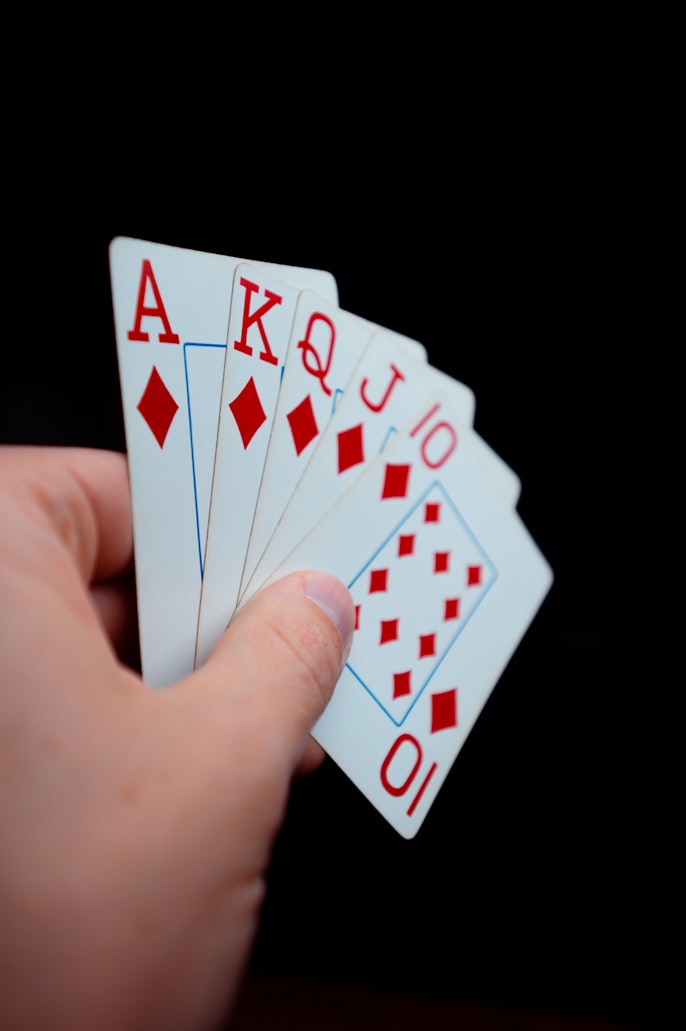
Understanding the nature of risk in gambling requires an exploration of cognitive biases and emotional factors. Gamblers might overestimate their chances of winning due to the “gamblers’ fallacy,” where they believe that past events influence future outcomes. This misjudgment can lead to more significant risks, as players chase losses or become overconfident after a win.
Several psychological factors significantly influence gambling decisions. One major aspect is risk perception, which varies from person to person. Some individuals may have a higher tolerance for risk, viewing gambling as an exhilarating challenge, while others may approach it with caution due to past negative experiences.
Moreover, emotional states can heavily impact decision-making in gambling scenarios. Stress, excitement, and even boredom can skew a gambler’s perception of risk, often leading to impulsive bets. These emotional triggers can cloud judgment, making it difficult for gamblers to make rational decisions and increasing the likelihood of loss.
The Role of Social Influences
Social dynamics also play a crucial role in gambling behavior. Peer influence can significantly affect an individual’s willingness to take risks. Gamblers may feel compelled to match the behaviors of those around them, leading to riskier decisions than they would typically make alone.
Furthermore, the environment in which gambling takes place can enhance risk-taking behavior. For instance, casinos are designed to create a stimulating atmosphere that encourages prolonged play, often blurring the lines between enjoyment and overindulgence. The social acceptance of gambling within certain circles can lead individuals to take on greater risks, as they seek validation from peers.
Cognitive dissonance is another psychological phenomenon that affects gambling decisions. When gamblers face losses, they may experience a conflict between their beliefs about their skills or luck and the reality of their outcomes. To resolve this dissonance, they might rationalize their losses by attributing them to external factors, such as bad luck or unfavorable conditions, rather than recognizing their own decision-making flaws.
This rationalization can perpetuate a cycle of risk-taking, as gamblers convince themselves that their next bet will yield positive results. This mindset can lead to a dangerous pattern where individuals ignore warning signs and continue to engage in high-risk gambling behaviors despite accumulating losses.

Understanding the psychology of risk in gambling decisions is essential for anyone involved in or affected by gambling activities. By recognizing the cognitive biases, emotional triggers, and social influences at play, individuals can make more informed choices and potentially mitigate the negative consequences of gambling.
For those seeking deeper insights into the psychology of gambling, many resources are available that explore these themes further. Engaging with educational content can empower individuals to approach gambling with a more balanced perspective and promote responsible gaming practices.